


















Explore the latest developments concerning White House offers.
White House offers concession on body cameras in bid to end DHS shutdown
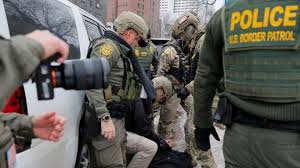
WASHINGTON ‒ Seeking to end the rapidly worsening shutdown of the Department of Homeland Security, the White House has offered to expand the use of body-worn cameras for federal immigration enforcement agents and limit their activities at churches, schools, and hospitals.
But a month into the crisis, the Trump administration is still holding firm on one of the more contentious parts of the debate to reform the 9/11-era Cabinet agency, opposing any kind of ban on masks for law enforcement officers.
The concessions were detailed in a March 17 letter to Senate Republican leaders from top Trump administration officials about the status of negotiations between the White House and congressional Democrats.
Ulanzi VL119 Handheld RGB Colorful Stick Light 19.68 inch Handheld LED Light Wand CRI 95+ 2500K-9000K Photography Studio Lamp

Read the White House Letter to Senate Republicans
In a letter sent to two Republican senators, White House officials outlined narrow changes it would be willing to make to its immigration enforcement operations.
THE WHITE HOUSE
WASHINGTON
March 17, 2026
The Honorable Susan Collins
United States Senate
Washington, D.C.
Dear Senator Collins and Senator Britt,
The Honorable Katie Britt United States Senate Washington, D.C.
Thank you for your service to our country. In response to your request, this letter details the latest status of negotiations with Democratic congressional leadership. We look forward to continuing to partner with you to bring this senseless and dangerous shutdown to an end.
The Department of Homeland Security (DHS) shut down after February 13, a month ago. Prior to the DHS shutdown, Republican and Democratic leadership and appropriators, and the Trump Administration, negotiated a package of appropriations bills on a bipartisan basis. This package included a bipartisan agreement to provide full-year funding for DHS, and it was passed by the House on a bipartisan basis. Before passage in the Senate, congressional Democrats decided they would no longer vote for the bill they negotiated, and forced Congress to resort to a ten-day clean extension of DHS funding.
On February 4, five days after Congress passed the DHS funding extension, the Democrats released a list of demands. Three days later on February 7, they produced legislative text of their demands. Unfortunately, the majority of their demands, as written, would make it impossible to fully protect American citizens from dangerous criminal aliens and expose law enforcement and their families to increasing threats of violence. In other words, they would prioritize illegal aliens above American families. On February 9, the Administration sent a document explaining its counter proposal, and followed up with legislative text two days later on February 11. On February 12, White House Border Czar Tom Homan explicitly ended the surge operation in Minnesota. He also instituted a number of significant changes to immigration enforcement activities, like ending ICE roving patrols, updated protocols for handling unlawful agitators, deployment of body-worn cameras, and advanced notice to and advanced cooperation with local law enforcement in conducting operations. On February 16, three days into the shutdown, the Democrats responded to the Administration counter offer by proposing effectively their original offer again. Since, the Administration transmitted a counter offer, and then 18 days later, on March 16, the Democrats responded with a counter offer that fails again to show a good faith attempt to compromise.
Since the beginning of this lapse in appropriations, the Administration has sought to bring it to an expeditious conclusion through good-faith negotiation. On the Senate floor on Thursday, March 12, the Administration's position was repeatedly mischaracterized.
For more detailed information, explore updates concerning White House offers.

0 Comments