


















Explore the latest developments concerning Hunting the elusive.
Hunting the elusive Eta Aquariid meteors
This article has been reviewed according to Science X's
editorial process
and policies.
Editors have highlighted
the following attributes while ensuring the content's credibility:
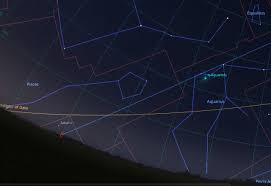
Early May is a good time to watch for a powerful yet often elusive meteor shower, the annual Eta Aquariids. They're a prolific, yet often elusive for northern hemisphere observers. If skies are clear, watch for a strong annual meteor shower that's attained an almost mythical status: the May Eta Aquariids.
The Eta Aquariid meteor shower is active from April 19th until May 28th, with the key night being the evening of May 5th into the morning of May 6th. This is a strong shower, with a Zenithal Hourly Rate (ZHR) topping out on some years at 60–100 meteors an hour. The Eta Aquariids actually take third place in terms of strong annual meteor showers, right behind the August Perseids and the December Geminids. The shower has a broad peak, and produces swift moving meteors (65.4 kilometers a second), often leaving glowing, persistent trains.
H25LR LED 90 High CRI Rechargeable Headlamp Powerful Lightweight Head Flashlight with Bright White Light 660nm Deep Red Torch

The Eta Aquarid meteor shower peaks this week—here’s how to get the best view
The Eta Aquarid meteor shower peaks this week—here’s how to get the best view
This annual meteor shower occurs as Earth passes through the dusty debris left behind by Halley’s Comet as it journeys around the sun
It’s May, which means the trees are greener, the days are longer, and the nights are a little warmer. That’s perfect for spotting a meteor shower—and not just any shower: the Eta Aquarids are hitting their peak this week on May 5 and May 6.
Meteor showers are the beautiful product of cosmic debris. As Earth orbits the sun, it passes through a trail of dust and rocks falling from asteroids and comets as they, too, make their way around the star. When this debris hits Earth’s atmosphere, it burns up, creating bright shooting stars that appear to streak across the sky.
For more detailed information, explore updates concerning Hunting the elusive.

0 Comments