
Explore the latest developments concerning View Interstellar Comet.
View Interstellar Comet 3I/ATLAS Through NASA’s Multiple Lenses
This article was updated to include the full range of dates from the SOHO image.
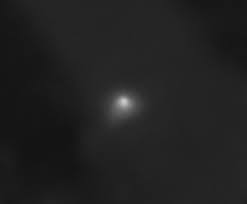
NASA is in the midst of an unprecedented solar system-wide observation campaign, turning its spacecraft and space telescopes to follow comet 3I/ATLAS, the third known interstellar object to pass through our solar system. Twelve NASA assets have captured and processed imagery of the comet since it was first discovered on July 1, and several others will have opportunities to capture more images as the comet continues to pass through our solar system. By observing the comet from so many locations, NASA has an opportunity to learn about the ways that 3I/ATLAS differs from our solar system’s home-grown comets and give scientists a new window into how the compositions of other systems may differ from our own. Observations from MarsThe closest imagery of the comet was taken by NASA’s spacecraft at Mars. Earlier this fall, 3I/ATLAS passed by Mars from a distance of 19 million miles, where it was observed by three NASA spacecraft. The Mars Reconnaissance Orbiter (MRO) captured one of the closest images of the comet, while the MAVEN (Mars Atmosphere and Volatile EvolutioN) orbiter obtained ultraviolet images that will help scientists understand the comet’s make-up. Meanwhile, the Perseverance rover grabbed a faint glimpse from the surface of Mars.
VEVOR Tomato Slicer 3/16 inch Tomato Cutter Slicer Stainless Steel Heavy Duty Tomato Slicer Machine, Manual Tomato Slicer


Watch live here today as NASA releases new photos of interstellar 3I/ATLAS
The U.S. space agency has announced plans to release additional images of the famed interstellar comet that was first spotted in July trespassing in Earth's solar system. The impending reveal would mark the first time NASA has unveiled high-resolution images of 3I/ATLAS since its fleet of space telescopes began observing the comet more than three months ago.
The Hubble Space Telescope, for instance, snapped a high-res image of the comet at the end of July that NASA billed as "the sharpest-ever picture" of 3I/ATLAS. Because it's incredibly rare for an object originating from another star to be spotted in our solar system, 3I/ATLAS has attracted no shortage of publicity.
For more detailed information, explore updates concerning View Interstellar Comet.