
















Explore the latest developments concerning Scammers target 'tap-to-pay'.
Scammers target 'tap-to-pay' credit card feature
The Better Business Bureau is warning consumers of 'ghost tapping.' FOX 13's Kylie Jones reports.
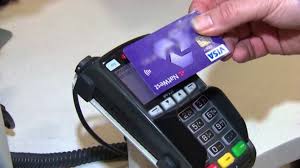
CLEARWATER, Fla. – Scammers are finding new ways to target your money. The Better Business Bureau is warning consumers about ‘ghost tapping’, which targets the ‘tap to pay’ feature on credit cards and smartphones.
Scammers have long targeted credit card swipe machines and chip readers, but their techniques continue to evolve with technology. The Better Business Bureau says scammers are able to steal your payment through the ‘tap to pay’ feature, that's become a nearly effortless way to pay for things.
"They could use cellphones, they can use specific card reader technologies," Bryan Oglesby, with the Better Business Bureau, West Florida said. Oglesby explains how ‘ghost tapping’ works. He says scammers will try to scan the information from your card or phone when you're paying.
BBB warns of new scam that could be targeting your cellphone
ST. LOUIS — If you use the tap-to-pay feature on your cell phone, the Better Business Bureau is warning of a new type of scam.
The BBB said scammers are using "ghost tapping" to secretly charge your payment method without you knowing. The bureau said Near Field Communication, the technology used in tap-to-pay, is generally safe, but scammers can exploit it in crowded spaces or distracting situations.
The BBB said once scammers have your payment information, they might make small transactions to avoid detection.
“The best way to avoid losing money is to review your financial accounts regularly and contact your bank as soon as you notice any suspicious activity,” said Michelle L. Corey, BBB St. Louis president and CEO.
Zojirushi NS-TSC10 5-1/2-Cup (Uncooked) Micom Rice Cooker and Warmer, 1.0-Liter, Stainless Brown

Watch out for 'ghost' tapping charges on your credit card, bank account
A new warning about "ghost" charges that could impact your credit card or bank account. In at least one case, the Better Business Bureau says a victim was charged 15-thousand dollars.

0 Comments