


















Explore the latest developments concerning How Batteries Got.
The grid storage industry set a wild goal for 2025 — and then crushed…
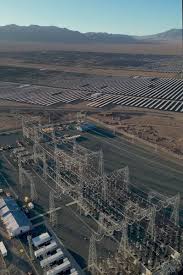
In 2017, the early leaders in energy storage made an audacious bet: 35 gigawatts of the new grid technology would be installed in the United States by 2025.
That goal sounded improbable even to some who believed that storage was on a growth trajectory. A smattering of independent developers and utilities had managed to install just 500 megawatts of batteries nationwide, equivalent to one good-size gas-fired power plant. Building 35 gigawatts would entail 70-fold growth in just eight years. The number didn’t come out of thin air, though. The Energy Storage Association worked with Navigant Research to model scenarios based on a range of assumptions, recalled Praveen Kathpal, then chair of the ESA board of directors. The association decided to run with the most aggressive of the defensible scenarios in its November 2017 report.
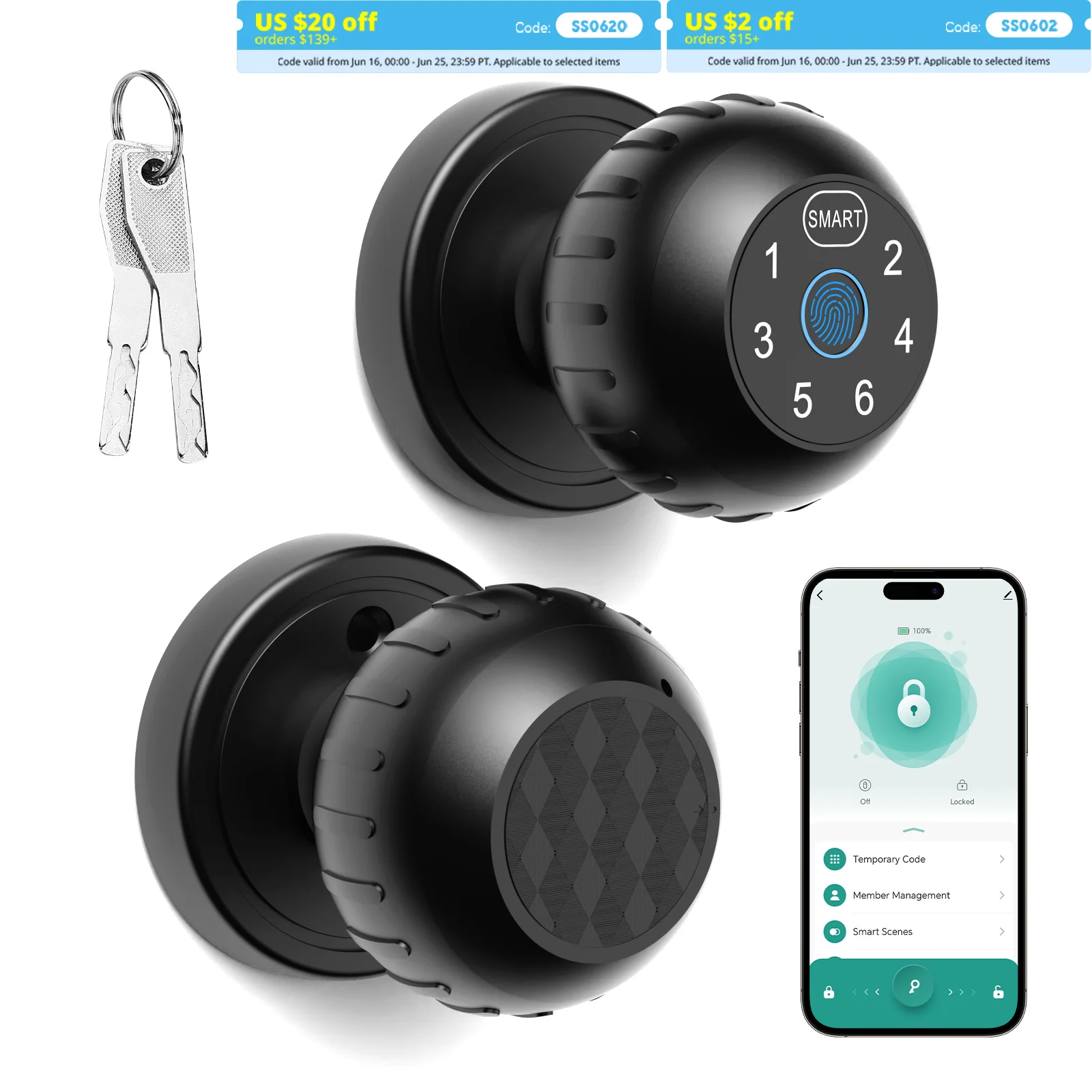
Viladepot Smart Lock Fingerprint Door Lock App Remote Control Passcode Unlock Electronic Touchscreen Keypad Indoor
Driving American battery innovation forward
Advancements in battery innovation are transforming both mobility and energy systems alike, according to Kurt Kelty, vice president of battery, propulsion, and sustainability at General Motors (GM). At the MIT Energy Initiative (MITEI) Fall Colloquium, Kelty explored how GM is bringing next-generation battery technologies from lab to commercialization, driving American battery innovation forward. The colloquium is part of the ongoing MITEI Presents: Advancing the Energy Transition speaker series.
At GM, Kelty’s team is primarily focused on three things: first, improving affordability to get more electric vehicles (EVs) on the road. “How do you drive down the cost?” Kelty asked the audience. “It's the batteries. The batteries make up about 30 percent of the cost of the vehicle.” Second, his team strives to improve battery performance, including charging speed and energy density. Third, they are working on localizing the supply chain. “We've got to build up our resilience and our independence here in North America, so we're not relying on materials coming from China,” Kelty explained.
For more detailed information, explore updates concerning How Batteries Got.

0 Comments