

















Explore the latest developments concerning Gaelic and Scots.
Gaelic and Scots now recognised as official languages
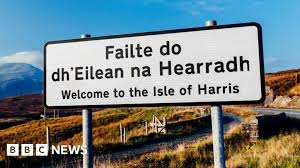
Gaelic and Scots have now been recognised as official languages as part of a range of new measures coming into force on St Andrew's Day.
The Scottish Languages Act, which MSPs voted through in June, also empowers parents to ask for a Gaelic school to be established in their area and aims to ensure that more qualifications are available in Gaelic.
It includes powers for ministers to commission research into the use of Gaelic and Scots and establish teaching standards for the languages.
Scotland's Deputy First Minister Kate Forbes called it a "historic milestone".
"St Andrew's Day is a fitting time to celebrate Scotland's identity by recognising Gaelic and Scots as official languages," she said.
Growing Scotland’s languages – The NEN
Enter your email address to subscribe to this blog and receive notifications of new posts by email.
The Gaelic and Scots languages have gained official status as people across Scotland celebrate St Andrew’s Day.
The designation forms part of a range of measures coming into effect today through the Scottish Languages Act 2025.
These include powers for ministers to commission research into the use of Gaelic and Scots and establish teaching standards for the languages.
Deputy First Minister Kate Forbes said: “St Andrew’s Day is a fitting time to celebrate Scotland’s identity by recognising Gaelic and Scots as official languages. This is a historic milestone which acknowledges the vital place these languages hold in Scotland’s culture and heritage.
1pc Lighting House Number Light, Solar Address Sign Light With Stake,Solar Powered LED Lighting Address Sign For Houses And Home

Parents gain right to ask for Gaelic school in their area
The Gaelic and Scots languages have gained official status in a “historic milestone” as people across Scotland mark St Andrew’s Day.
It is one of a range of measures which come into force on November 30 through the Scottish Languages Act.
The Act also empowers parents to ask for a Gaelic school to be established in their area and aims to ensure that more qualifications are available in Gaelic.
It also includes powers for ministers to commission research into the use of Gaelic and Scots and establish teaching standards for the languages.
Bi-lingual (in Gaelic and English) road signs on the A85 near Dalmally, Argyll and Bute. (Image: Colin Mearns)
For more detailed information, explore updates concerning Gaelic and Scots.

0 Comments